The Municipalities
Municipalities and the History of the United Arab Emirates
Municipalities in the United Arab Emirates represent one of the fundamental pillars supporting the organization, development, and sustainability of cities and communities across the nation. Each Emirate has one or more municipalities responsible for urban planning, environmental management, public health, and infrastructure services, ensuring the highest standards of living and community well-being.
List of Municipalities in the United Arab Emirates
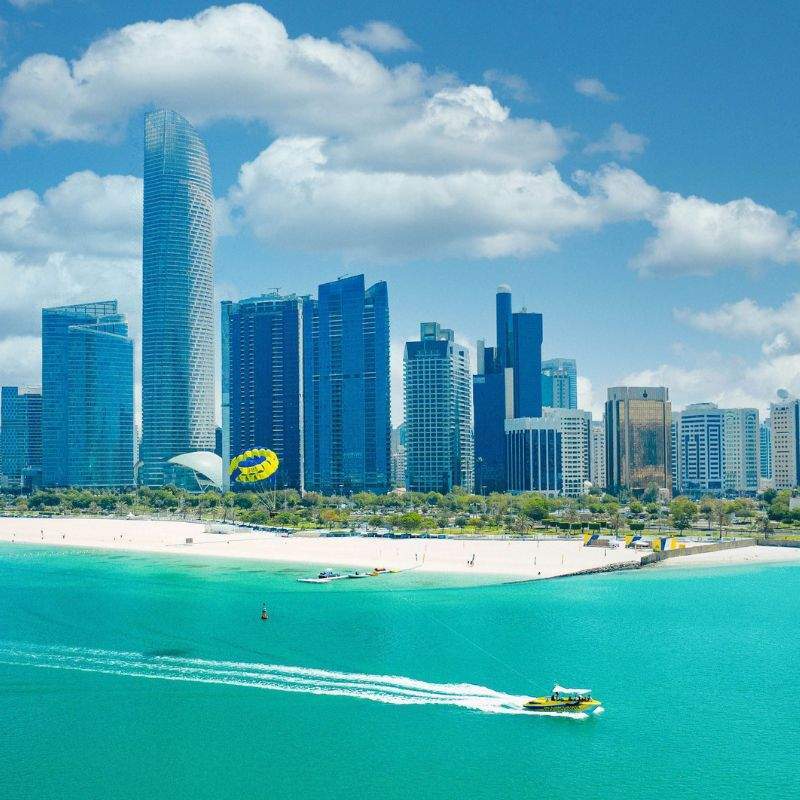
- Abu Dhabi City Municipality – Emirate of Abu Dhabi
- Al Dhafra Region Municipality – Emirate of Abu Dhabi
- Al Ain City Municipality – Emirate of Abu Dhabi
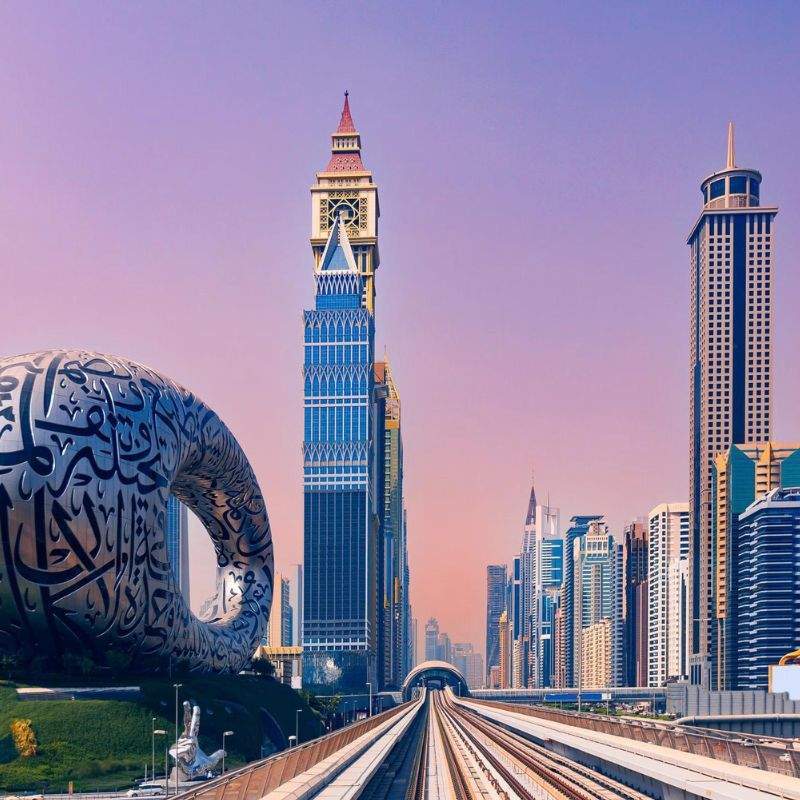
- Dubai Municipality – Emirate of Dubai
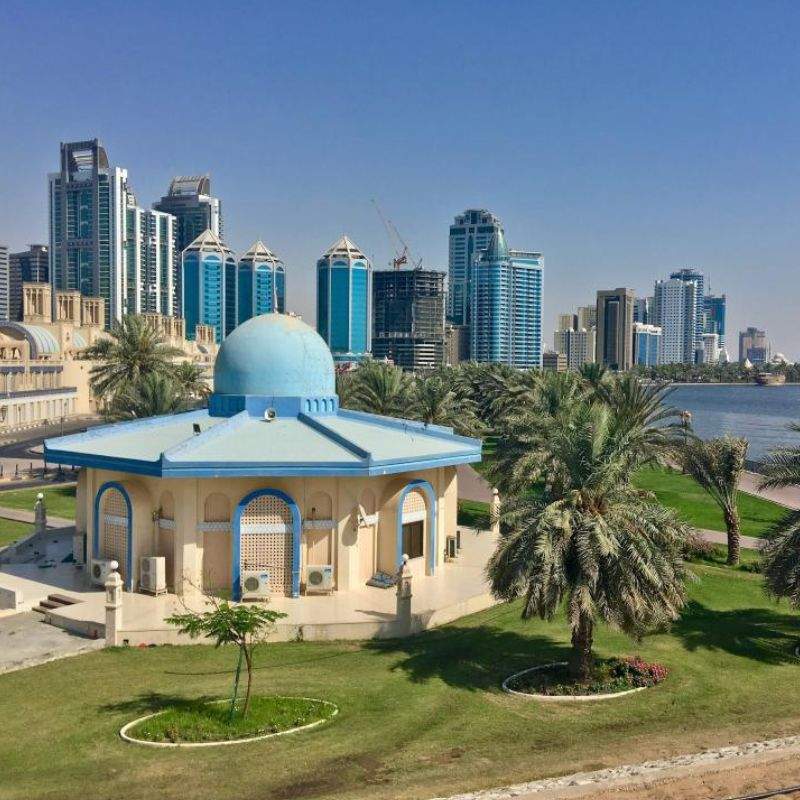
- Sharjah Municipality – Emirate of Sharjah
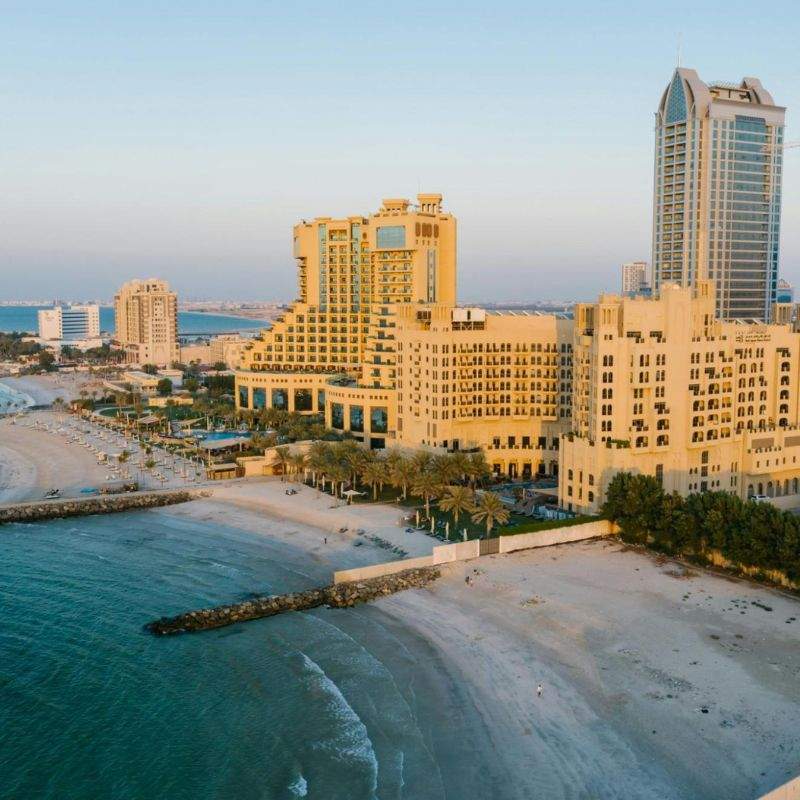
- Department of Municipality and Planning in Ajman – Emirate of Ajman
- Umm Al Quwain Municipality – Emirate of Umm Al Quwain
- Ras Al Khaimah Municipality – Emirate of Ras Al Khaimah
- Fujairah Municipality – Emirate of Fujairah
Roles and Responsibilities of Municipalities
Urban Planning
Preparing and implementing strategic plans for city development and land distribution.
Environmental Management
Preserving the environment, managing waste, and expanding green spaces.
Infrastructure Development
Constructing and maintaining roads, parks, and public facilities.
Licensing and Regulation
Issuing building and business permits and monitoring product quality standards.
Public Health Supervision
Inspecting food establishments and restaurants to ensure compliance with health and safety regulations.
Historical Overview of Municipalities
Abu Dhabi Municipality
- Established in 1962, with expanded responsibilities including licensing and construction supervision.
- Operates through three sub-municipalities: Abu Dhabi City, Al Ain City, and Al Dhafra Region.
Dubai Municipality
- Established in 1954, making it one of the oldest in the UAE.
- Renowned for its smart projects, advanced urban planning, and environmental initiatives.
Sharjah Municipalities
- Supervised by the Department of Municipal Affairs, overseeing the municipalities of Sharjah City, Kalba, and Khor Fakkan.
Ajman Municipality
- Officially known as the Department of Municipality and Planning, focusing on urban development and service enhancement.
Umm Al Quwain Municipality
- Provides diverse municipal services and is recognized for its digital transformation initiatives.
Fujairah Municipality
- Oversees municipal services in both coastal and mountainous areas of the Emirate.
Ras Al Khaimah Municipality
- Responsible for urban organization, development, and delivery of essential public services.
History of the United Arab Emirates
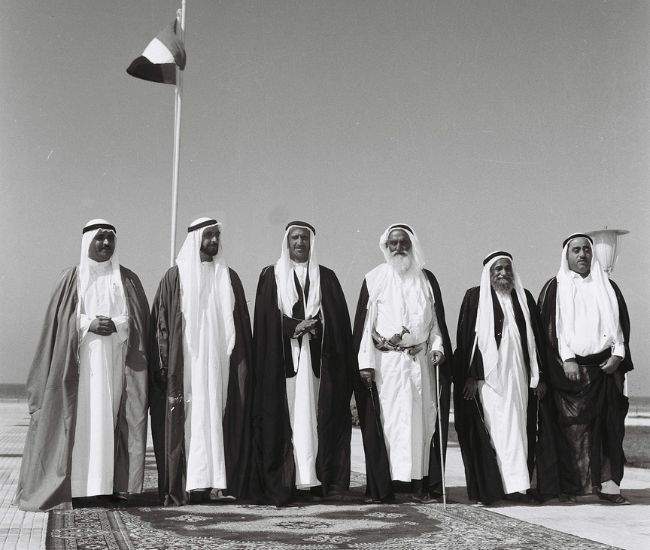
The United Arab Emirates (UAE) was established on 2 December 1971, marking the union of six Emirates: Abu Dhabi, Dubai, Sharjah, Ajman, Umm Al Quwain, and Fujairah. On 10 February 1972, Ras Al Khaimah joined the Federation, completing the union of the seven Emirates.
Pre-Union Era:
- Ancient Civilizations: The Umm Al Nar civilization thrived in the third millennium BCE.
- Islamic Era: Islam spread across the region, and maritime trade flourished.
- Pre-Oil Period: The economy depended on pastoralism, fishing, and pearl diving.
- Oil Discovery: The export of oil from Abu Dhabi began in 1962, initiating a transformative phase in the nation’s development.
Current Rulers of the United Arab Emirates
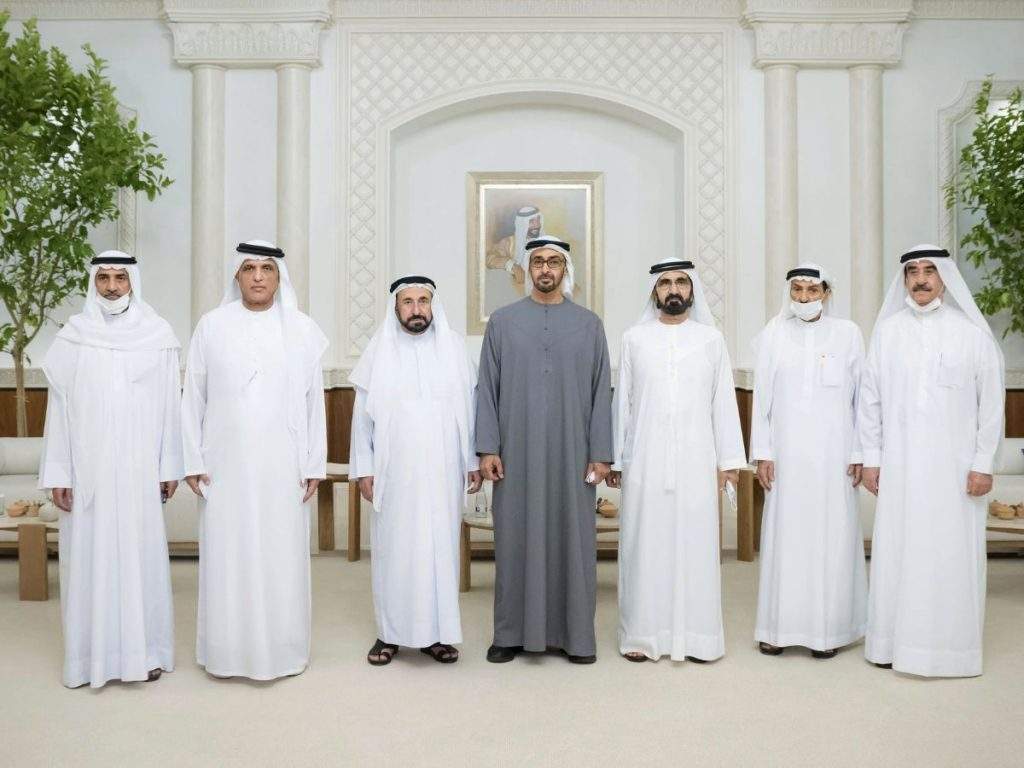
- Abu Dhabi – His Highness Sheikh Mohammed bin Zayed Al Nahyan (President of the UAE, since 13 May 2022).
- Dubai – His Highness Sheikh Mohammed bin Rashid Al Maktoum (Vice President and Prime Minister, since 4 January 2006).
- Sharjah – His Highness Sheikh Dr. Sultan bin Mohammed Al Qasimi (Ruler since 25 January 1972).
- Ajman – His Highness Sheikh Humaid bin Rashid Al Nuaimi (Ruler since 6 September 1981).
- Umm Al Quwain – His Highness Sheikh Saud bin Rashid Al Mualla (Ruler since 2 January 2009).
- Fujairah – His Highness Sheikh Hamad bin Mohammed Al Sharqi (Ruler since 21 September 1974).
- Ras Al Khaimah – His Highness Sheikh Saud bin Saqr Al Qasimi (Ruler since 27 October 2010).